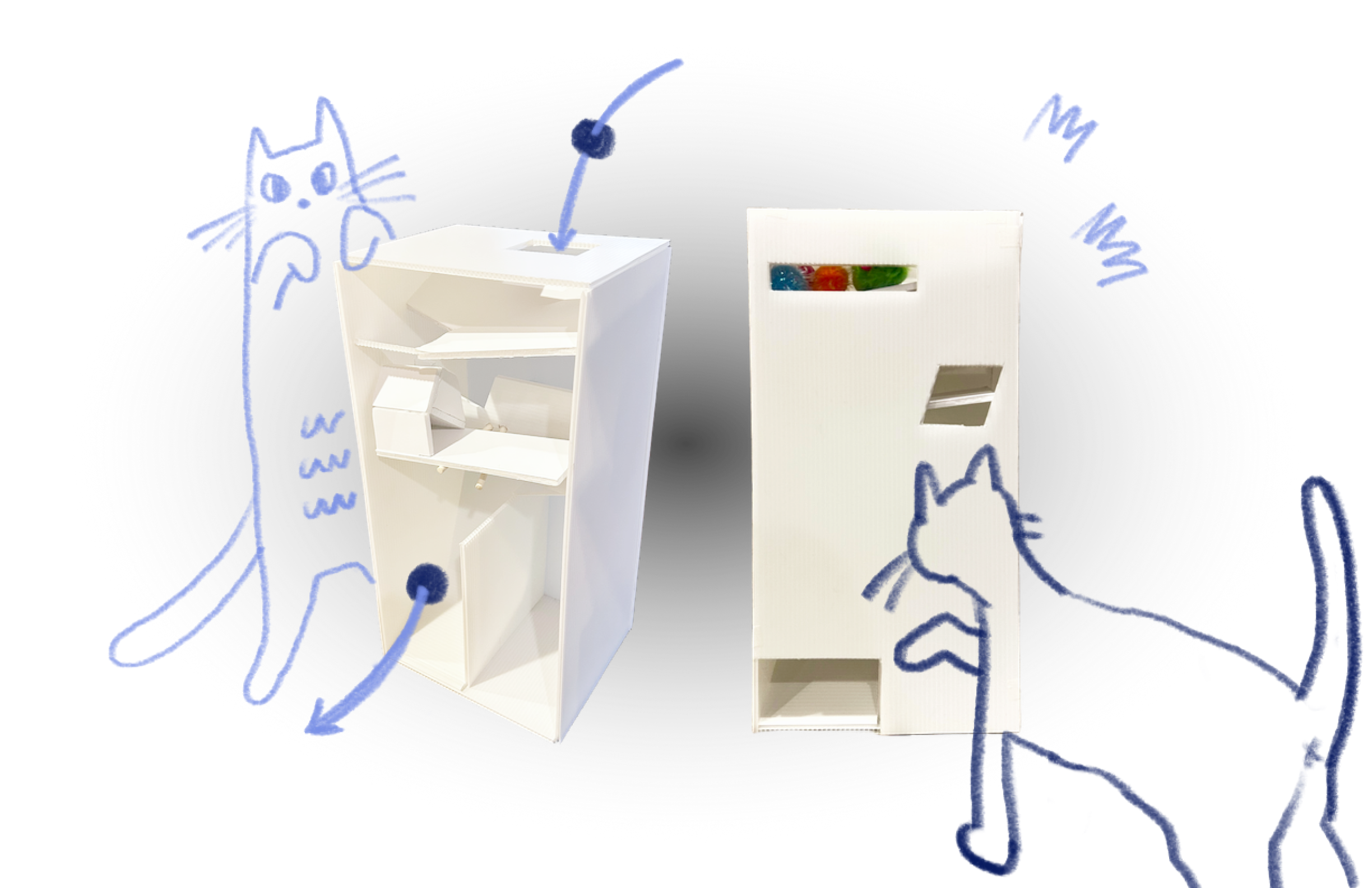
Inspired by gumball machines, Catcha is a toy retriever designed for house cats to operate independently with their feline intuition.
Role: Product designer (Individual project)
Platform: Meta Quest 3
Tools: Unity, Meta XR SDK, MRUK
Duration: 4 weeks
Designing for my cat's everyday happiness
Playing on demand
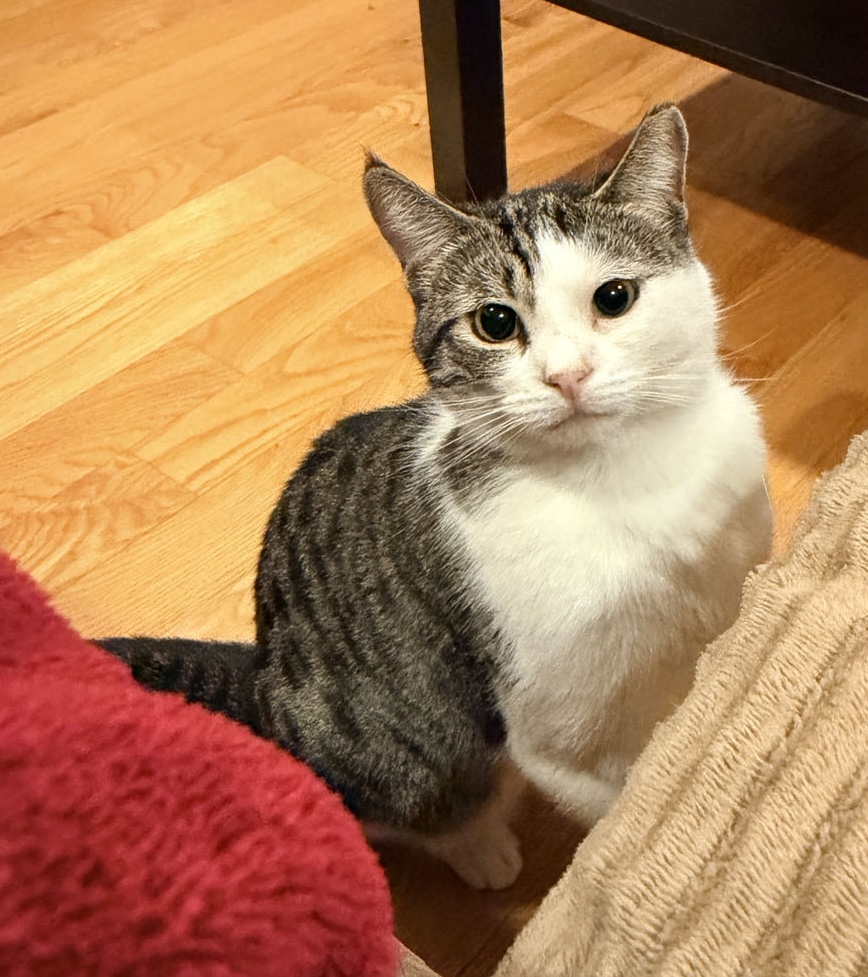
I used to juggle two roles: office worker and a cat owner. As much as I enjoy playing with my cat, Xuxu, it is often inevitable that he will spend long stretches of the day alone and bored.
This frustration inspired my concept: a machine that cats can operate themselves to launch toys at high velocity and create an exciting chase. I was curious whether I can design an experience that gives Xuxu the agency to initiate his own play.
This frustration inspired my concept: a machine that cats can operate themselves to launch toys at high velocity and create an exciting chase. I was curious whether I can design an experience that gives Xuxu the agency to initiate his own play.
Designing for intuitive feline interaction
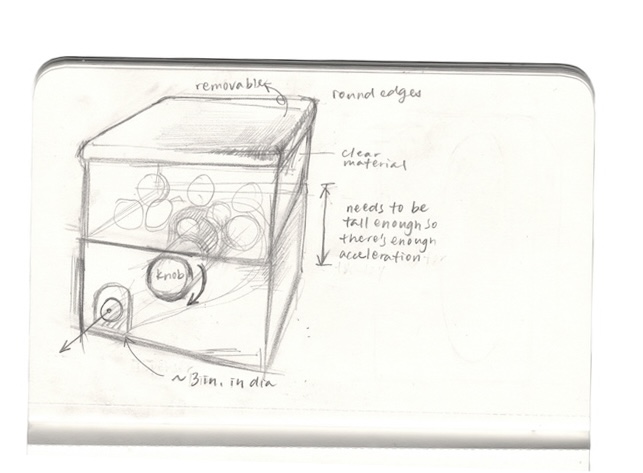
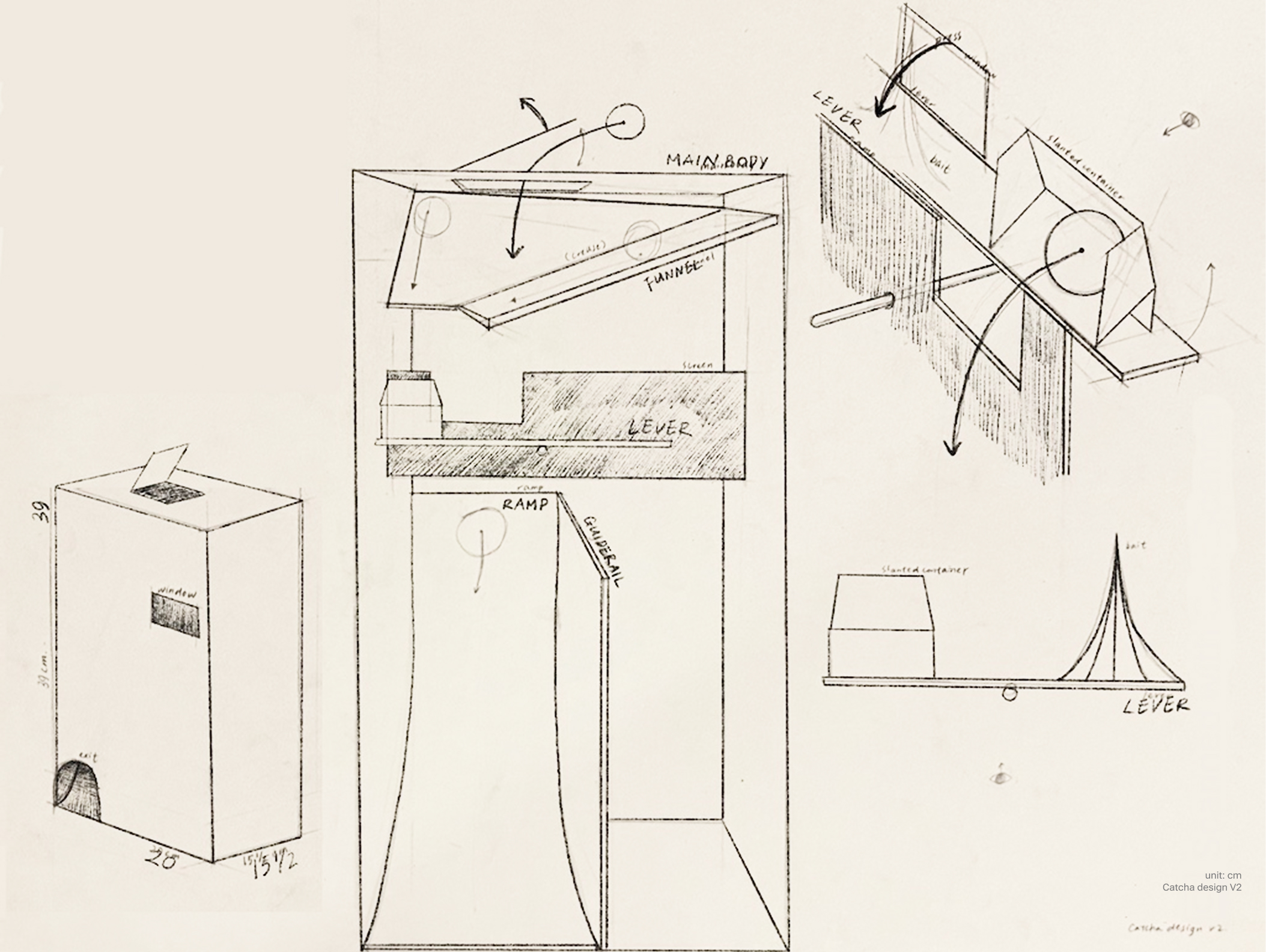
The release mechanism itself was relatively straightforward: I just need enough vertical height for the toy to build up speed as it rolled down the track. The more challenging part was designing a handle that a cat could actually operate.
A successful initiation involved two steps: attracting the cat’s attention enough to encourage physical interaction, and allowing enough movement to trigger the internal release mechanism.
A successful initiation involved two steps: attracting the cat’s attention enough to encourage physical interaction, and allowing enough movement to trigger the internal release mechanism.
Finding the right bait
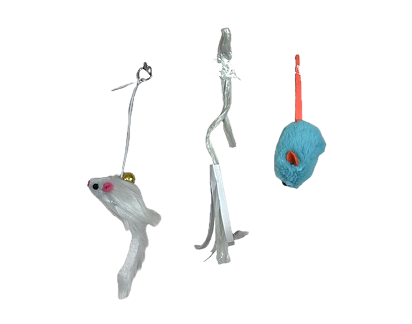
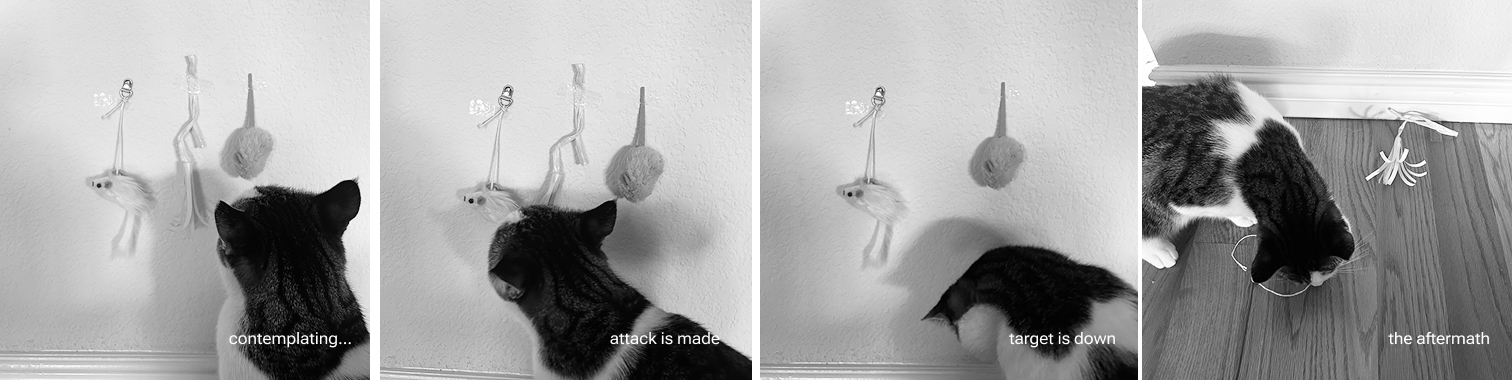
I tested 3 different "baits", based on my observations of the textures and shapes that Xuxu was naturally drawn to:
1. Fluffy mouse: store-bought, bite-sized
2. Paper octopus: DIY'ed, with dangling pieces
3. Colorful mouse: store-bought, bite-sized
I taped each bait to the wall and gave Xuxu several opportunities to observe and interact with them freely. The paper octopus proved most effective: Xuxu successfully pulled it off the wall more often than either of the store-bought toys.
Designing the mechanism
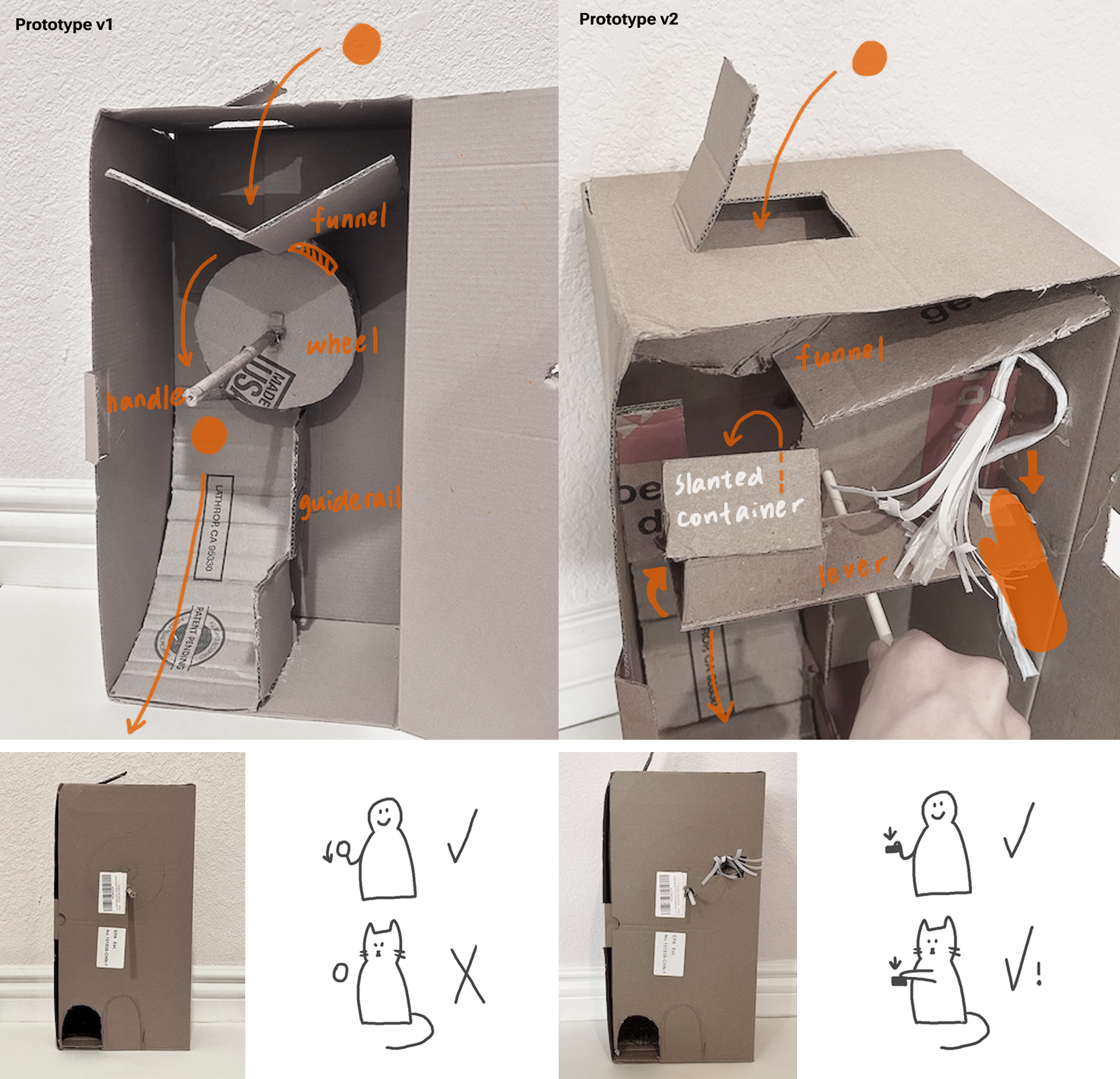
With the bait selected, I built cardboard prototypes to test different mechanisms.
Prototype v1 was inspired by traditional gumball machines, using a rotating handle that is intuitive for humans to operate with just two fingers. While the mechanism worked perfectly for humans, the compartment wheel required too much force for Xuxu to rotate.
Prototype v2 replaced the rotational motion with a pull-down mechanism, which was more achievable with a cat’s paws. This iteration successfully allowed Xuxu to trigger the release mechanism independently.
Final design spec
User testing & reflections
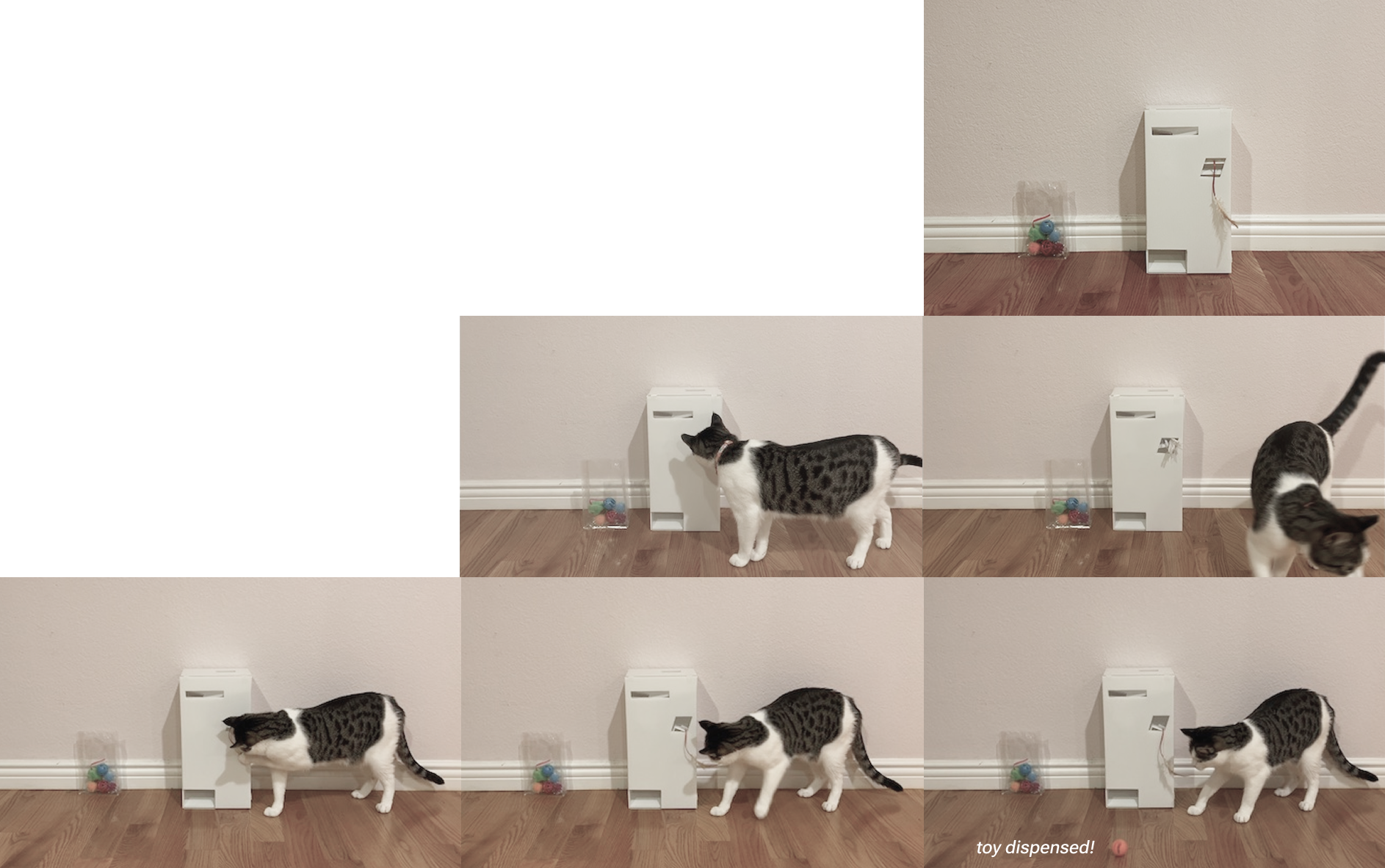
During the initial testing of the machine, I noticed that Xuxu had lost interest in the paper octopus. Because I had used the same bait during the initial testing phase and then attached it to the machine, pulling on the octopus did not consistently result in a toy being released. This inconsistency made it difficult for Xuxu to establish the causal relationship between pulling the bait and activating the machine.
I replaced the octopus with a feather, which successfully piqued Xuxu’s interest again. With the new bait, he was able to learn the interaction and operate the machine independently.
I replaced the octopus with a feather, which successfully piqued Xuxu’s interest again. With the new bait, he was able to learn the interaction and operate the machine independently.
Takeaways
Individual cats can have very different ways of learning. Cats that are naturally rewarded by play (e.g. Xuxu) may quickly learn to operate a machine like Catcha, while cats that are more strongly rewarded by food, or cats that are physically challenged, may have little incentive to engage with it in the first place.
It was genuinely fun to design for someone that I really care about, and I want to do more of that. :)
It was genuinely fun to design for someone that I really care about, and I want to do more of that. :)